

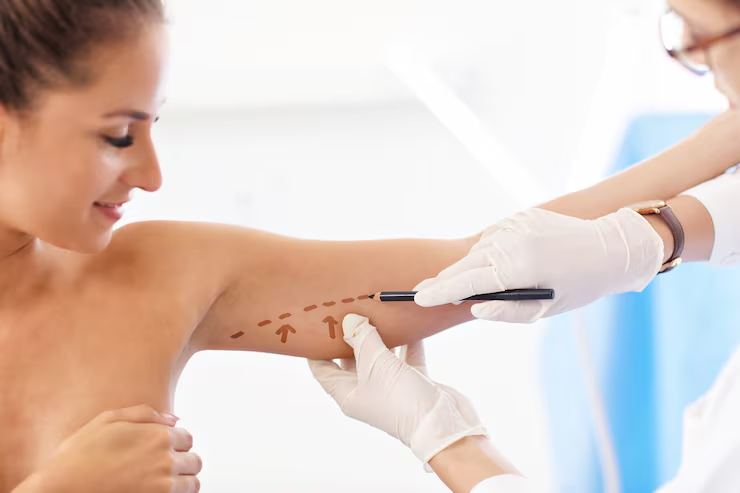
Significant weight loss represents a massive achievement for personal health, yet many individuals find that reaching their goal weight brings a new physical challenge. Excess, sagging skin often remains on the upper arms, abdomen, and thighs. For many patients, undergoing arm reduction surgery in the UK offers a practical solution to remove stretched tissue and reshape upper body contours. Also known as brachioplasty, this procedure helps bridge the gap between initial weight reduction and feeling completely comfortable in one’s body. Understanding what the surgical process entails, from initial consultation through full recovery, empowers patients to make informed decisions about completing their physical transformation.
Understanding Why Skin Fails to Retract After Major Weight Loss
Body elasticity depends heavily on collagen and elastin fibers within the dermal layers. When a person gains significant weight, these structural proteins stretch to accommodate the increased body volume. If the weight remains for an extended period, or if the loss occurs rapidly through bariatric procedures or intensive diet changes, the skin frequently loses its ability to contract back. The upper arm region is particularly vulnerable because the tissue in this area is naturally thin and subject to gravity.
Exercises targeting the triceps build muscle underneath, but no workout routine can eliminate redundant dermal tissue once elasticity vanishes. Patients often report physical discomfort, skin chafing, and difficulty fitting into structured clothing like jackets and tailored shirts. Seeking specialized care, such as post weight loss surgery in Bristol, allows individuals to address these functional and cosmetic issues directly with qualified plastic surgeons.
During a comprehensive physical assessment, surgeons evaluate skin quality, fat distribution, and overall health to design a tailored surgical plan. Addressing stretched skin through surgical intervention restores natural body proportions, allowing patients to enjoy the mobility and confidence gained from their weight loss achievements without the hindrance of hanging tissue.
Surgical Techniques in Brachioplasty
Brachioplasty procedures vary based on the volume of excess tissue and the specific goals of the patient. For minor to moderate skin laxity localized near the armpit, a mini arm lift may suffice. This technique places a small incision within the axillary crease, minimizing visible scarring while tightening the upper third of the arm. However, full brachioplasty remains the standard approach for patients with substantial tissue redundancy following major weight reduction.
A traditional arm lift involves an incision extending from the armpit down to the inner elbow. The surgeon meticulously excises hanging skin, removes underlying adipose tissue—often incorporating liposuction for smoother contours—and anchors the remaining tissue to underlying fascia structures. Individuals seeking arm reduction surgery in the UK can expect modern surgical techniques to prioritize discreet scar placement along the inside or back of the arm.
The Role of Precision and Surgical Hardware
Cosmetic surgeons utilize specialized suture techniques and surgical glues to minimize tension on wound edges, promoting optimal healing. Drainless techniques have also gained popularity, reducing post-operative discomfort. By combining liposuction with precise skin excision, surgeons redefine the arm contour while preserving vital lymphatic vessels and sensory nerves, yielding natural-looking contours and improved upper body symmetry.
Selecting Qualified Surgical Specialists
Choosing the right medical professional is the single most critical step in undertaking post-bariatric body sculpting. Patients must verify that their chosen practitioner is registered with the General Medical Council (GMC) on the Specialist Register for Plastic Surgery. Additionally, professional memberships in organizations such as the British Association of Aesthetic Plastic Surgeons (BAAPS) or the British Association of Plastic, Reconstructive and Aesthetic Surgeons (BAPRAS) indicate high standards of training and surgical expertise.
Patients looking into post weight loss surgery in Bristol benefit from choosing regional clinics equipped with state-of-the-art surgical facilities and dedicated care teams. Local consultations give prospective patients the opportunity to review before-and-after portfolios, discuss realistic surgical expectations, and understand the surgeon’s specific technique.
Key Consultation Questions
During the initial meeting, patients should ask direct questions regarding the surgeon’s experience with post-bariatric patients:
● How many brachioplasty operations do you perform annually?
● What specific scar management protocols do you recommend post-operatively?
● What surgical facility standards and anaesthetic protocols are utilized during the procedure?
A transparent discussion regarding potential risks, expected downtime, and follow-up schedules builds trust and ensures that the patient feels fully prepared for the journey ahead.
Post-Operative Recovery and Care Protocols
Recovery from brachioplasty requires patience and active participation from the patient to ensure optimal healing and minimal scarring. Immediately following the operation, surgical dressings and a supportive compression garment are applied to the arms. This garment reduces localized swelling, supports newly contoured tissues, and promotes fluid drainage during the initial healing phase. Patients must wear these compression sleeves continuously for four to six weeks as advised by their care team.
Most patients contemplating arm reduction surgery in the UK arrange for two weeks of leave from work, depending on the physical demands of their job. Strenuous activities, heavy lifting over five kilograms, and vigorous upper body exercises must be avoided for six to eight weeks to prevent wound separation. Pain is generally manageable with prescribed analgesics during the first few days, transitioning quickly to mild discomfort.
Long-Term Scar Management Strategies
Scarring is an inevitable trade-off for removing substantial amounts of hanging skin. However, strict adherence to post-operative scar therapies can significantly improve their long-term appearance. Patients should begin applying medical-grade silicone sheets or gels once incisions fully close. Protecting healing scars from direct sun exposure with high-SPF sunscreen for at least twelve months prevents permanent hyperpigmentation and ensures the softest, flattest final result possible.
Combining Arm Lift Procedures with Comprehensive Body Contouring
While an arm lift yields dramatic improvements on its own, many individuals who have achieved significant weight loss require multi-area reconstruction. Combining brachioplasty with other procedures addresses overall upper body laxity more effectively than isolated treatments. For instance, an upper body lift or extended brachioplasty can simultaneously address loose skin across the lateral chest wall, back, and armpits.
For patients considering comprehensive post weight loss surgery in Bristol, surgeons frequently structure multi-stage surgical plans to maintain patient safety. Operating on multiple body areas at once increases surgical duration and recovery demands, so procedures are often grouped logically—such as pairing an arm lift with a mastopexy (breast lift) or staging lower body contouring separately.
The Advantages of Staged Surgical Plans
Staging surgical procedures allows the body to recover fully between operations, minimizing the risk of complications like wound breakdown or deep vein thrombosis. It also gives patients time to adjust to their changing silhouette. Discussing long-term goals with a reconstructive specialist allows patients to create a realistic timeline and budget, turning a complex reconstructive journey into a series of manageable, rewarding steps toward complete physical renewal.
Final Thoughts
Transforming one’s body after weight loss involves both physical effort and medical expertise. Arm reduction surgery plays a crucial role in eliminating excess tissue that exercise alone cannot correct, restoring arm proportions and freedom of movement. By consulting accredited plastic surgeons, following pre- and post-operative guidelines, and maintaining realistic expectations regarding scarring, patients achieve lasting physical and emotional benefits. Completing this final stage of body contouring allows individuals to embrace their achievements fully, stepping forward with renewed comfort, clothing flexibility, and confidence in their everyday lives.