

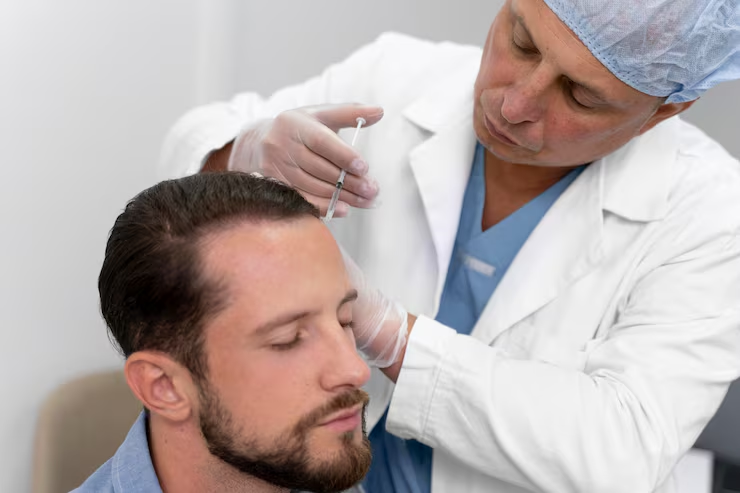
Undergoing a major hair restoration procedure requires careful planning, especially when combining two distinct surgical techniques. For patients seeking maximum graft yield in a single session, a London combined FUE and FUT hair transplant offers an effective solution to tackle advanced pattern baldness. However, surgical skill represents only half of the equation. Integrating prescription treatments alongside surgical intervention dictates the ultimate longevity and density of your results. Managing pharmaceutical therapies correctly before and after your procedure prevents excessive bleeding during surgery and protects both newly implanted grafts and existing native follicles. Understanding how to coordinate your medical regimen with your surgical calendar ensures optimal healing and seamless aesthetic outcomes.
Understanding the Hybrid Surgical Approach
Combining Follicular Unit Transplantation (FUT) and Follicular Unit Extraction (FUE) allows surgeons to harvest a large number of grafts while preserving the donor area. The FUT portion extracts a thin strip of tissue from the safest permanent donor zone, yielding dense, high-quality follicular units. Simultaneously, the surgeon uses FUE to extract individual grafts from surrounding regions, softening the boundary lines and increasing overall density.
Patients opting for a London combined FUE and FUT hair transplant often present with Norwood stage 5 or higher hair loss. Because this procedure involves extensive manipulation of the scalp, blood supply and follicle health must remain in peak condition.
The Role of Medical Therapy
Surgery creates density in bald regions, but it does not stop the biological process of androgenetic alopecia. Patients relying on hair loss medication in London clinics find that combining surgery with ongoing medical therapy preserves non-transplanted native hair surrounding the new grafts. Without medical stabilisation, progressive loss behind the newly constructed hairline can create unnatural gaps over time. Combining the hybrid surgical approach with targeted pharmaceuticals ensures that the scalp remains receptive and that existing hair follicles resist the miniaturising effects of dihydrotestosterone (DHT).
Pre-Operative Guidelines for Hair Loss Prescriptions
Preparing for a hybrid procedure involves precise timing regarding prescription and over-the-counter treatments. Surgeons issue strict pre-operative protocols to minimise intraoperative bleeding and ensure graft viability.
Managing Minoxidil and Finasteride
Oral finasteride or dutasteride generally remains safe to continue up to the day of surgery, as these oral 5-alpha reductase inhibitors do not impact blood clotting or vascular tone. In contrast, topical minoxidil acts as a vasodilator, increasing blood flow to the scalp surface. Most surgical teams instruct patients to pause topical minoxidil treatments seven to fourteen days prior to surgery. Continued use of topical vasodilators can cause excessive bleeding during graft recipient site creation, making it difficult for the surgical team to place grafts securely.
Nutritional Supplements and Blood Thinners
Beyond standard prescriptions, patients must halt anti-inflammatory medications, aspirin, vitamin E, and fish oil supplements two weeks before their session. These substances thin the blood and compromise clot formation, which increases surgical time and leads to prolonged post-operative oozing. Always provide your surgical team with a full inventory of your supplements and prescriptions during your initial consultation so they can construct a safe withdrawal schedule.
Post-Surgical Care and Resuming Medication
The immediate post-operative phase focuses on protecting fragile grafts and encouraging linear incision closure from the strip harvest. Resuming medical treatments requires a phased approach to prevent chemical irritation and physical disruption to healing tissues.
Safe Timeline for Restarting Treatments
Oral medications like finasteride can usually be resumed the day after surgery, as systemic DHT suppression does not interfere with wound repair. However, topical formulations require extreme patience. The recipient area and the FUE donor sites remain open micro-wounds for the first few days, while the linear FUT incision heals with sutures or staples. Reapplying liquid or foam minoxidil too early causes severe stinging, contact dermatitis, and chemical trauma to delicate new grafts.
Surgeons typically advise waiting 14 days before reintroducing topical minoxidil. By this point, graft recipient sites have fully closed, and initial scabbing has sloughed off naturally. Patients accessing hair loss medication in London receive tailored advice on transitioning back to topical applications using gentle, alcohol-free formulas to avoid irritating sensitive scar tissue along the FUT donor site.
Protecting Native Follicles and Enhancing Graft Growth
A hybrid hair transplant successfully addresses areas of significant hair loss, but long-term success relies on maintaining the overall ecosystem of your scalp. Non-transplanted follicles remain susceptible to genetic thinning regardless of how successful the surgical procedure is.
Preventing Shock Loss
In the weeks following surgery, both native hairs and newly transplanted grafts may experience a temporary shedding phase known as shock loss. Surgical trauma and altered local microcirculation trigger native follicles to enter a resting phase. Maintaining consistent use of oral DHT blockers helps cushion native follicles against stress, shortening the duration of shock loss and promoting robust regrowth.
Long-Term Visual Harmony
A successful London combined FUE and FUT hair transplant produces dense coverage, but future hair loss behind the surgical zone can compromise aesthetic harmony. Continuing prescribed medical regimens preserves surrounding hair density, ensuring that the transplanted region blends seamlessly with your natural hair pattern for decades. Patients who pair surgical intervention with continuous pharmaceutical maintenance report significantly higher long-term satisfaction and rarely require early secondary surgeries.
Clinical Supervision and Tailored Treatment Plans
Managing hair restoration therapies is not a standard, one-size-fits-all process. Every patient exhibits varying degrees of donor availability, scalp laxity, and sensitivity to medical treatments. Collaborating closely with experienced clinical professionals ensures your surgical and medical strategies align.
Customising Prescriptions
Medical teams assess hormonal profiles, scalp condition, and hair loss progression to refine prescription choices. Some individuals thrive on combination oral therapies containing low-dose minoxidil and finasteride, while others achieve better stability using topical compounding solutions. Obtaining professional oversight for your hair loss medication in London allows for real-time dosage adjustments, ensuring maximum follicular support while keeping potential side effects to a minimum.
Monitoring Healing Milestones
Routine post-operative check-ups allow clinicians to evaluate both suture site healing from the FUT strip and puncture healing from FUE harvesting. Your clinician can evaluate graft survival rates at three, six, and twelve months, adjusting medical protocols as your new hair enters active growth phases. This continuous medical support protects your investment and optimises final aesthetic results.
Conclusion
A successful hair restoration journey relies on balancing advanced surgical techniques with disciplined medical management. Combining FUE and FUT allows surgeons to deliver high-density graft coverage, but long-term aesthetic success depends on how effectively you protect your native hair. Adhering to strict pre-operative pause timelines for topical vasodilators prevents surgical complications, while resuming medical therapy post-surgery protects against shock loss and progressive thinning. Working alongside experienced clinical teams guarantees that your prescription plan supports every stage of your recovery. By treating surgery and medication as complementary tools, you safeguard your surgical investment and secure natural, long-lasting hair density for years to come.