

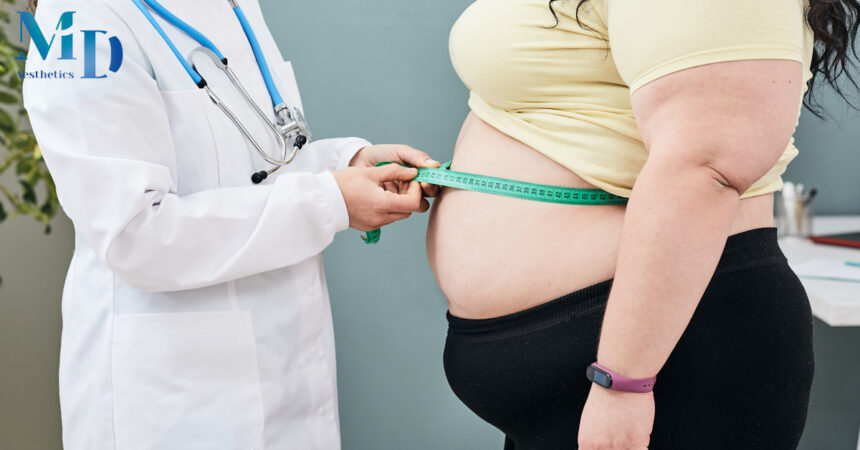
Losing a substantial amount of weight can bring major changes to health, mobility and everyday life, but the physical transformation does not always end when the target weight is reached. Stretched skin may remain around the abdomen, arms, thighs, breasts, back and other areas, creating discomfort or making the new body shape difficult to appreciate. For patients dealing with these changes, postbariatric surgery in Turkey involves a personalized group of body contouring procedures designed to address excess skin and reshape areas affected by significant weight loss.
What Is Postbariatric Surgery?
Postbariatric surgery refers to reconstructive and aesthetic procedures performed after major weight loss. Although the term is commonly associated with patients who have undergone bariatric procedures such as sleeve gastrectomy or gastric bypass, similar body contouring principles may also apply to people who have lost substantial weight through other methods.
After weight loss, the amount and location of remaining loose skin differ considerably between patients. One person may primarily experience abdominal laxity, while another may have excess tissue extending around the waist, back, arms and thighs.
For this reason, postbariatric surgery is not a single operation. It is a treatment concept that may involve one or several procedures planned according to the patient’s anatomy and priorities.
Why Does Loose Skin Remain After Major Weight Loss?
Skin expands as body volume increases. When it remains stretched for an extended period, its ability to contract can become limited. After substantial fat loss, the skin may therefore fail to adapt completely to the body’s smaller dimensions.
The amount of remaining skin can be influenced by factors such as:
- Total amount of weight lost
- Duration of previous obesity
- Age
- Genetic skin characteristics
- Weight fluctuations
- Smoking history
- Individual tissue quality
Exercise can strengthen underlying muscles and support general fitness, but it cannot remove significant quantities of redundant skin. When the main problem is structural skin excess, surgical removal may be considered after an appropriate medical assessment.
Which Areas Can Be Treated After Weight Loss?
Massive weight loss can affect several areas simultaneously. Treatment is therefore based on where skin excess is located rather than following the same surgical formula for every patient.
Abdomen and Waist
The abdomen is one of the areas most frequently affected. Loose skin may hang over the lower abdomen, while laxity can also extend toward the sides of the waist.
Depending on the distribution of tissue, treatment may involve abdominoplasty, extended abdominoplasty or a more comprehensive circumferential procedure.
Lower Back and Buttocks
Weight loss may leave folds across the lower back and reduce the support of the buttock tissues. When these changes occur together with abdominal and waist laxity, circumferential body contouring techniques may be evaluated.
Upper Arms
Redundant skin can remain between the armpit and elbow after considerable weight reduction. An arm lift, or brachioplasty, removes selected excess tissue and reshapes the upper arm.
Thighs
Loose tissue on the inner or outer thighs may create friction and interfere with comfortable movement. A thigh lift can be planned when skin laxity, rather than isolated fat accumulation, is the primary concern.
Breasts
Major weight loss can reduce breast volume and stretch the surrounding skin. Depending on the patient’s anatomy, breast lifting, reduction, augmentation or a combination of techniques may be considered.
Belt Lipectomy and Circumferential Body Contouring
Patients who have loose tissue extending around the entire lower torso may require more than a conventional tummy tuck. Belt lipectomy is designed to address circumferential skin excess involving the abdomen, flanks and lower back, with an associated lifting effect on surrounding tissues.
This type of procedure can be particularly relevant after massive weight loss because the changes rarely stop at the front of the abdomen. Looking at the body as a complete three-dimensional structure allows the surgeon to consider how the front, sides and back interact.
The goal is not simply to remove as much skin as possible. Tissue tension, scar position, mobility and overall proportions must also be considered during planning.
When Is the Right Time for Postbariatric Surgery?
Timing is an important part of post-weight-loss body contouring. Surgery is generally considered after the major weight-loss period has ended and body weight has remained reasonably stable.
Performing surgery while substantial weight loss is still continuing can alter the result and potentially create additional skin laxity later.
The preoperative assessment may also consider:
- Current body weight and recent weight changes
- General medical condition
- Nutritional status
- Previous bariatric or abdominal operations
- Current medications
- Smoking
- Existing scars
- Plans for future pregnancy
- The number of body regions requiring correction
Patients who have undergone bariatric surgery can have specific nutritional considerations, making preoperative evaluation particularly important.
Should Multiple Procedures Be Performed at the Same Time?
A common question after massive weight loss is whether all areas can be corrected in one operation. Combining selected procedures may be appropriate for some patients, but performing every desired correction simultaneously is not necessarily the safest strategy.
The decision depends on the extent of each procedure, expected operating time, the patient’s medical condition and recovery requirements.
For patients requiring extensive correction, staged surgery may provide a more appropriate approach. For example, the abdomen and lower torso may be treated during one stage, while the arms, thighs or breasts are addressed later.
Prioritization can be based on which areas cause the greatest physical discomfort or have the strongest effect on overall body proportion.
Postbariatric Surgery Is Different From Standard Liposuction
Loose skin and localized fat are separate concerns. Liposuction removes selected fat deposits but does not remove large amounts of stretched skin.
A patient with relatively firm skin and localized fat may benefit from liposuction. In contrast, someone who has lost substantial weight and has hanging tissue may require skin excision and lifting procedures.
Liposuction can still be incorporated into certain postbariatric operations when residual fat needs to be refined. Its role should be determined as part of the complete body contouring plan rather than automatically applied to every area.
Recovery After Post-Weight-Loss Body Contouring
There is no single recovery timeline for postbariatric surgery because the extent of treatment varies significantly. A limited arm procedure and a circumferential lower body operation have very different recovery requirements.
During the early period, patients may experience swelling, bruising, tightness and restricted movement. Compression garments may be recommended for selected procedures.
Walking is generally introduced gradually, while strenuous exercise, heavy lifting and movements that place excessive tension on incisions are restricted until sufficient healing has occurred.
Patients undergoing staged treatment should also consider the total recovery journey rather than viewing each operation independently.
Understanding Scars Before Surgery
Skin-removal surgery necessarily involves incisions, and extensive excess skin generally requires longer scars. This trade-off should be discussed openly before treatment.
Surgeons plan incisions with clothing lines, natural body folds and the required amount of correction in mind. Scars usually change considerably during the months following surgery, but they do not disappear completely.
A realistic postbariatric treatment decision therefore involves weighing the presence of permanent scars against the problems caused by excess skin.
Functional Reasons for Considering Body Contouring
Postbariatric surgery is frequently discussed in aesthetic terms, but some patients seek treatment because redundant tissue creates practical difficulties.
Large skin folds may contribute to:
- Friction during walking or exercise
- Recurrent irritation in skin folds
- Difficulty maintaining hygiene
- Restricted movement
- Challenges finding appropriately fitting clothes
- Physical discomfort during everyday activities
Addressing these issues can make the benefits of significant weight loss more manageable in daily life.
Risks and the Importance of Careful Planning
Postbariatric patients require detailed surgical assessment because large skin-removal procedures can involve extensive wounds and significant tissue repositioning.
Potential surgical risks can include infection, bleeding, fluid accumulation, delayed wound healing, asymmetry, changes in sensation and unfavorable scarring. Individual risk varies according to the patient’s health and the procedures being performed.
Smoking cessation, nutritional assessment, weight stability, appropriate hospital conditions and adherence to postoperative instructions are therefore important components of treatment planning.
Why Patients Consider Postbariatric Surgery in Turkey
Turkey is frequently considered by international patients seeking plastic and reconstructive surgery. Access to experienced plastic surgeons, established hospital infrastructure and international patient services has contributed to the country’s position in medical tourism.
For postbariatric procedures in particular, patients should evaluate more than treatment price. The surgeon’s experience with massive-weight-loss patients, the proposed surgical sequence, hospital conditions, expected length of stay and postoperative follow-up plan all deserve careful consideration.
Patients traveling internationally should also understand how follow-up will continue after returning to their home country.
Completing the Physical Transformation After Weight Loss
Major weight loss changes much more than a number on the scale. When stretched skin remains, the final stage of the journey may involve deciding whether body contouring can improve comfort and create proportions that better correspond with the patient’s new body weight. Postbariatric surgery should therefore be approached as an individualized process in which the abdomen, waist, back, arms, thighs and breasts are evaluated according to each patient’s needs.
Those considering surgical options after substantial weight loss can find further information about procedures and treatment planning at https://muratdiyarbakirlioglu.com/en/. A detailed medical assessment, stable weight, realistic expectations and a carefully structured surgical plan are central to determining which postbariatric approach may be appropriate for each individual.