

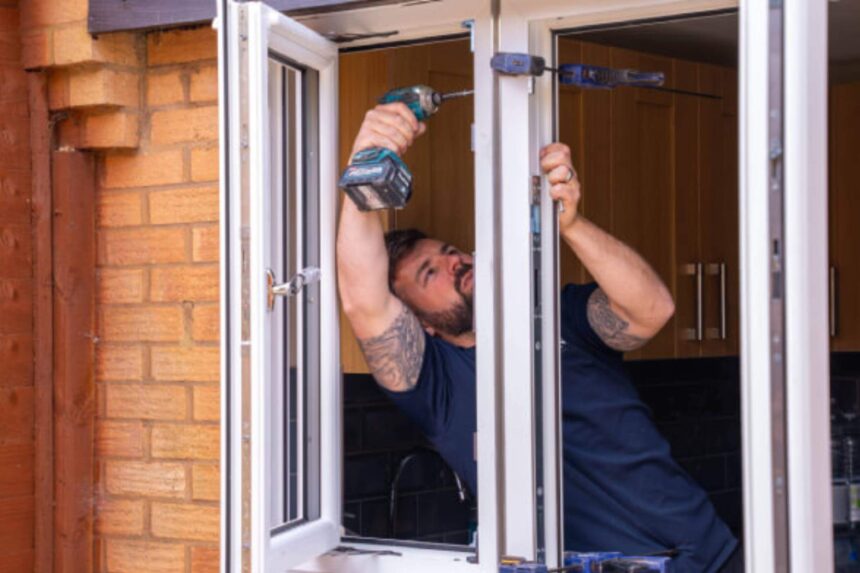
Replacing your windows or doors can improve the appearance, security and energy efficiency of your home. Still, the quality of the finished result depends heavily on the company you choose to install them. When comparing window and door installers, it is worth looking beyond the initial price. Experience, product quality, installation standards, guarantees and aftercare can all make a significant difference to the long-term value of your investment. Here are some of the most important things to consider before choosing an installer.
Look at the Company’s Experience and Reputation
Start by finding out how long the company has been installing windows and doors and whether it has experience working on properties similar to yours.
An established installer should understand how different property types affect surveying, product specification and fitting. The requirements of a modern new-build can differ significantly from those of an older property, where existing openings, brickwork or architectural features require additional consideration.
Crown Windows, for example, has more than 22 years of experience and operates from its showroom in Bletchley, Milton Keynes.
Longevity alone is not enough, however. Look at the company’s wider reputation, customer feedback and evidence of completed work before making a decision.
Compare Product Quality and Available Styles
Windows and doors are a long-term purchase, so make sure you understand exactly what products are being offered.
Look at the materials, construction, security features, hardware and available finishes. You should also consider whether the company offers enough choice to find a style that suits your property rather than simply supplying a limited standard range.
Depending on the installer, options may include casement, flush sash, sliding sash, Georgian and tilt-and-turn windows, as well as composite, uPVC, French, patio and bi-fold doors.
Crown Windows currently offers a broad selection of made-to-measure window and door styles, giving homeowners options for both traditional and contemporary properties.
Check What Guarantees and Warranties Are Provided
Before agreeing to an installation, ask what happens if a problem develops later.
A guarantee should clearly explain what is covered, how long the cover lasts and whether it includes both the products and the quality of the installation.
Do not rely on a verbal assurance. Make sure the details are included within the paperwork you receive.
Crown Windows states that its installations include a 10-year warranty and an insurance-backed guarantee as standard, with its Milton Keynes page confirming cover for frames, hardware, sealed units and workmanship.
Look for Relevant Accreditations
Accreditations can provide additional reassurance that an installer works to recognised industry standards.
One accreditation homeowners may come across is FENSA. FENSA-registered installers can self-certify that replacement window and door installations comply with relevant Building Regulations.
It is still worth asking an installer exactly which accreditations they hold rather than assuming that every company operates to the same standards.
Crown Windows lists FENSA alongside other industry accreditations and states that replacement window installations are registered through the FENSA scheme.
Find Out Who Surveys and Installs Your Windows
Ask how the company manages the journey from initial measurement through to installation.
A detailed survey is important because even small inaccuracies can affect the fit, finish and performance of a replacement window or door.
You should understand who will visit your property, who will take the final measurements and who will carry out the installation.
Some homeowners prefer working with companies that keep more of this process within the same business because it can make communication and accountability clearer. Crown Windows refers to its own in-house installation team across its recent projects, as well as a survey and design stage before installation.
Ask About Energy Efficiency and Glazing Options
Energy performance should be an important part of the conversation when replacing windows.
Ask about the energy rating of the frames, the type of glass being used and the overall U-value of the proposed installation. A lower U-value indicates that less heat passes through the product.
Experienced double glazing specialists should also be able to explain the different glazing options available and why one specification may be more appropriate for your property than another.
Crown Windows states that its A-rated frames can achieve U-values as low as 1.2 W/m²K, with options including low-emissivity glass, argon-filled cavities and solar-control glazing.
Review Previous Projects and Customer Feedback
Before choosing an installer, look at examples of completed projects.
Do not focus only on carefully selected photographs. Consider whether the company has worked on homes similar to yours and whether the projects demonstrate a variety of window, door and glazing installations.
Case studies can also help you see how different colours, frame styles and door designs look once fitted to an actual property.
Customer reviews are equally useful. Look for comments about installation quality, communication, cleanliness, reliability and aftercare rather than relying solely on the overall star rating.
A combination of recent projects and independent customer feedback can provide a much clearer picture of what you can expect.
What Should Be Included in a Window or Door Quote?
A quote should make it easy to understand exactly what you are buying.
It should clearly identify the number and type of products being supplied, the agreed styles and specifications, glazing options, colours, hardware and installation costs.
You should also ask whether removal and disposal of the existing windows or doors, finishing work and any necessary making-good are included.
A clear quote makes it easier to compare different installers on a like-for-like basis. Without enough detail, a cheaper-looking quotation may simply exclude something another company has already included.
Is the Cheapest Window Quote the Best Option?
Not necessarily.
Price is important, but it should be considered alongside product quality, installation standards, guarantees, energy performance and aftercare.
A lower initial quote may become less attractive if the products have lower specifications, the guarantee is limited or additional costs arise later.
When comparing companies for new windows and doors, look at the overall value of what is being provided rather than choosing purely on the headline price.
Choosing the Right Installer
The right window and door installer should be able to explain their products, provide evidence of previous work and give you confidence in both the installation and the support available afterwards.
Take time to compare experience, product specifications, guarantees, accreditations, energy efficiency and the details included in each quotation.
An established Milton Keynes installer, such as Crown Windows, is one example of a company offering surveying, design, installation and aftercare alongside a broad range of replacement windows and doors.
Making a decision based on the complete service, rather than price alone, can help ensure your new windows or doors continue to perform well for years to come.