

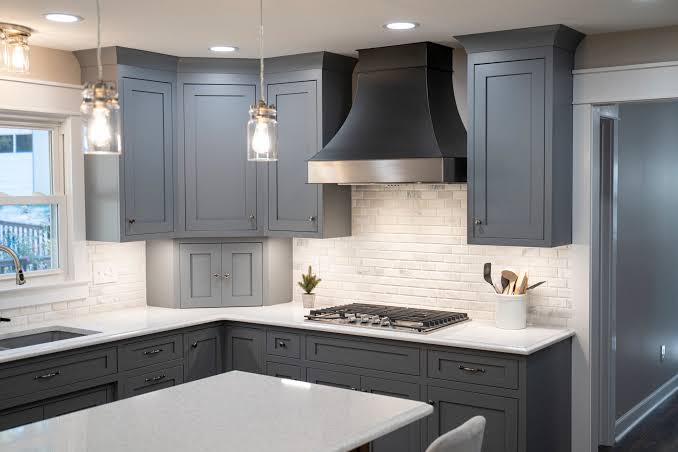
A well-designed kitchen should be comfortable, practical and pleasant to use. However, cooking can produce smoke, steam, grease and strong odours that affect the atmosphere inside your home. Choosing the right extractor hood can help manage these problems while keeping your kitchen cleaner and more comfortable.
With so many designs available, finding the right model can seem confusing. Understanding your kitchen layout, cooking habits and ventilation requirements will help you make a suitable choice.
Understand Your Kitchen Layout
The layout of your kitchen is one of the most important factors when selecting an extractor hood. Different designs are suitable for different spaces, so it is worth considering where your hob is positioned before buying an appliance.
Wall-mounted cooker hoods are a popular choice for kitchens where the hob sits against a wall. Island hoods are designed for cooking areas positioned in the middle of the room. If you prefer a more discreet appearance, an integrated hood can be fitted inside a kitchen cupboard.
Under-cabinet models are another practical option, particularly in smaller kitchens where available space is limited.
Before making a decision, measure the installation area carefully and check that your chosen hood will fit comfortably.
Consider Extraction Performance
An extractor hood needs enough power to remove cooking fumes effectively. The right level of extraction depends on the size of your kitchen, the type of cooking you regularly do and whether the room has an open-plan layout.
Households that frequently fry food or prepare meals using several burners may benefit from a more powerful appliance. A smaller kitchen with lighter cooking requirements might not need the same level of performance.
It is also important to consider the width of the hood. Ideally, it should be at least as wide as the hob beneath it, although a wider model may provide better coverage in some situations.
Choosing an appliance based on your actual needs can help you avoid spending money on features you may never use.
Decide Between Ducted and Recirculating Systems
Extractor hoods generally operate through ducted extraction or recirculation.
A ducted system draws cooking air through filters and carries it outside through suitable ductwork. When properly designed and installed, this approach can remove moisture, smoke and cooking odours from the property.
A recirculating hood filters the air before returning it to the kitchen. Grease filters capture airborne grease, while suitable carbon filters help reduce odours. These filters require regular maintenance and replacement.
The best option depends on your property, existing ventilation arrangements and installation possibilities. Checking these details before purchasing can prevent unexpected complications later.
Think About Noise and Energy Use
Noise levels can make a considerable difference to everyday comfort. A loud extractor may become distracting, particularly in an open-plan kitchen where people also eat, work or relax.
Check the manufacturer’s noise information and compare the available fan settings. Running an extractor at an appropriate speed can help balance ventilation performance with noise.
Energy consumption is another useful consideration. Look at the appliance’s energy information and choose a model that provides the performance you need without unnecessary operating costs.
Useful features such as built-in lighting and convenient controls can also improve the overall cooking experience.
Why Professional Installation Matters
Even a high-quality extractor hood may not perform properly if it is installed incorrectly. The position of the appliance, the ductwork arrangement and the electrical connection can all affect its operation.
Professional installation helps ensure that the hood is securely mounted and that its ventilation system is suitable for the kitchen. It can also help identify problems such as restricted ducting, unsuitable outlets or insufficient clearance above the hob.
If you are planning an upgrade, consulting a kitchen hood installer london can help you understand the installation requirements before work begins.
The installer can assess your kitchen layout and explain which options may be suitable for your space.
Maintain Your Extractor Hood
Regular maintenance helps keep an extractor hood working effectively. Grease filters should be cleaned according to the manufacturer’s instructions, while carbon filters should be replaced when required.
Wipe the exterior with a suitable cleaning product and check for any unusual noises or changes in extraction performance.
If the hood appears less effective than before, the filters, ductwork or fan may need attention. Addressing these issues early can help prevent further problems.
Make a Practical Long-Term Choice
Choosing an extractor hood involves more than selecting an attractive design. Extraction performance, installation requirements, noise levels, maintenance and available space all deserve consideration.
Taking time to compare these factors will help you find an appliance that suits your household and kitchen layout.
For advice about fitting a new appliance or replacing an existing one, a professional kitchen hood installer london can help you explore suitable installation options.
With the right equipment and proper installation, your kitchen can remain a more comfortable and practical place to prepare meals.